)
Η αιμοκάθαρση (ΑΚ) είναι μια διαδικασία μέσω της οποίας τα πλεονάζοντα υγρά και οι τοξίνες φιλτράρονται μηχανικά από το αίμα σας, όταν οι νεφροί δεν μπορούν να λειτουργήσουν σωστά. Στη διάρκεια της θεραπείας σας, κάθεστε ή ξαπλώνετε δίπλα σ’ ένα μηχάνημα αιμοκάθαρσης στο ειδικό κέντρο μιας κλινικής ή ενός νοσοκομείου. Ένα μέλος του νοσηλευτικού προσωπικού ή ένας τεχνικός τοποθετεί δύο βελόνες σε μια φλέβα του βραχίονά σας. Αυτό ονομάζεται «προσπέλαση». Η μία βελόνα συνδέεται με έναν σωλήνα που απομακρύνει το αίμα από το σώμα σας για να καθαριστεί και να αντληθεί από ένα μηχάνημα μέσω του φίλτρου αιμοκάθαρσης. Όλο το αίμα σας διηθείται μέσω του φίλτρου αιμοκάθαρσης αρκετές φορές. Σε όλη τη διάρκεια της θεραπείας, το αίμα επιστρέφει στο σώμα σας μέσω ενός σωλήνα συνδεδεμένου με την άλλη βελόνα. Αυτή η συνεχής διαδικασία φιλτραρίσματος συνήθως διαρκεί 3-4 ώρες ανά θεραπεία και πραγματοποιείται 3-4 φορές την εβδομάδα.
Η αιμοκάθαρση είναι μια πολύ αποδοτική θεραπεία και μπορεί να σας διατηρήσει σε πολύ καλή κατάσταση για πολλά χρόνια.
Σας ευχόμαστε να είστε καλά.
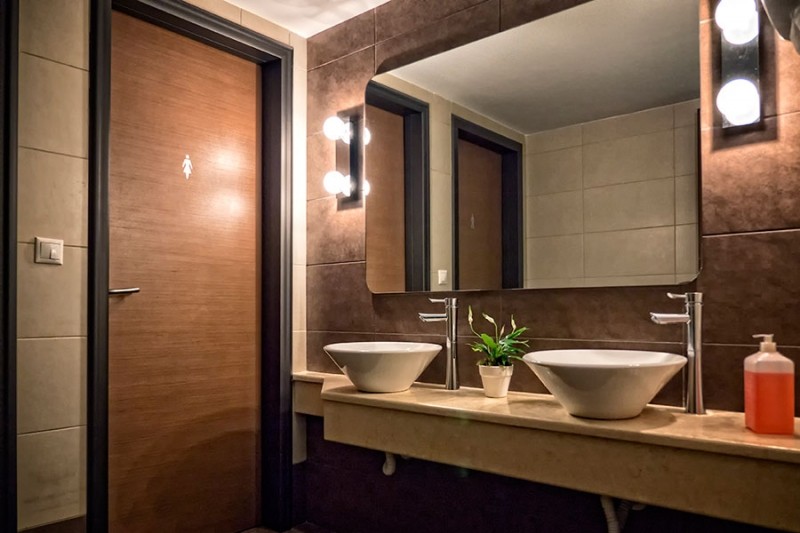
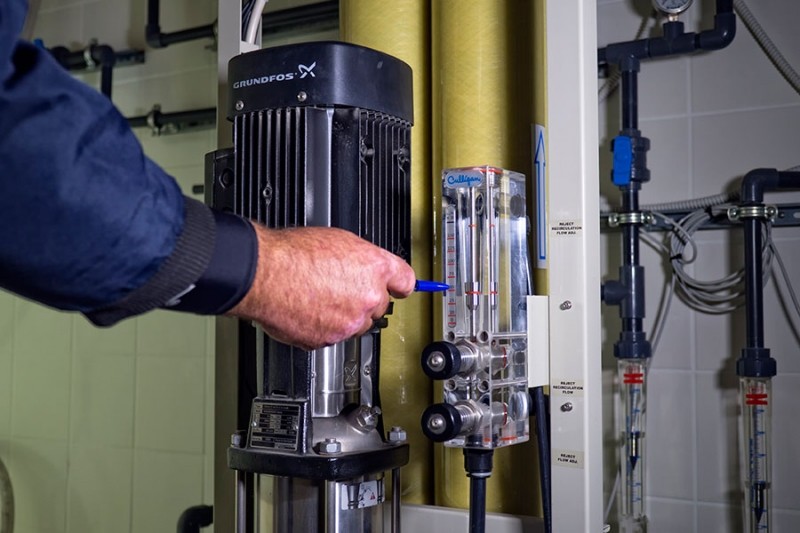
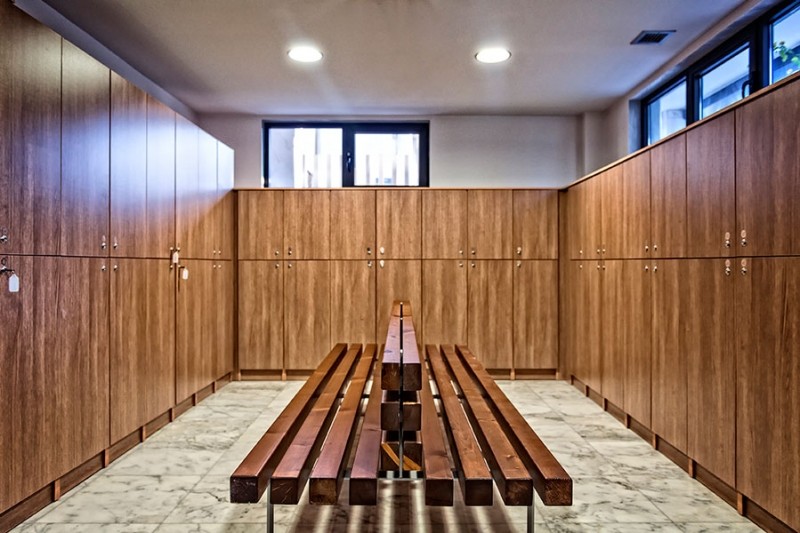
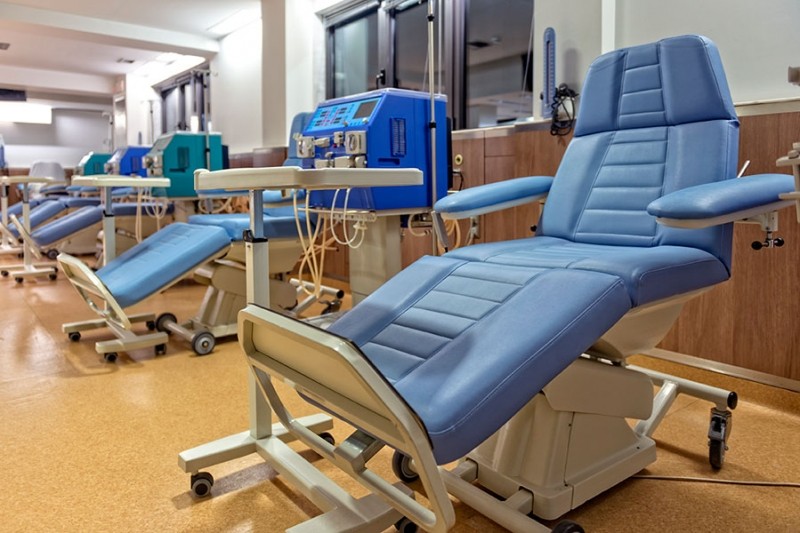
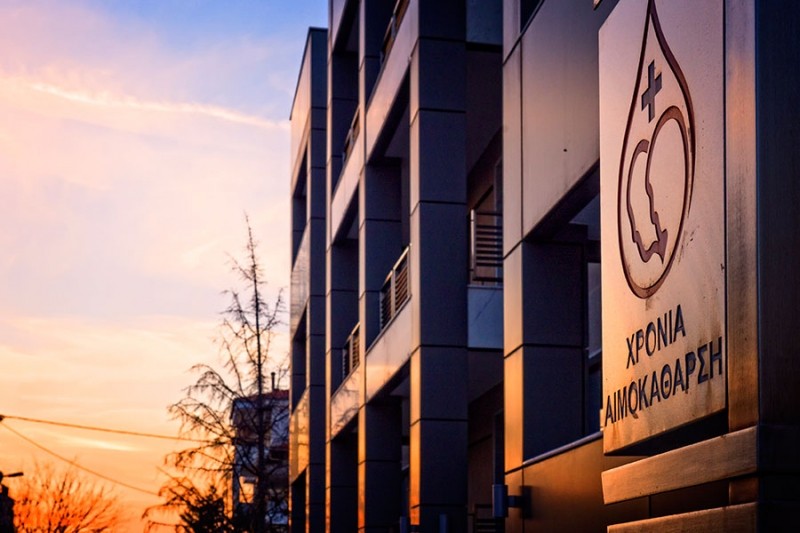
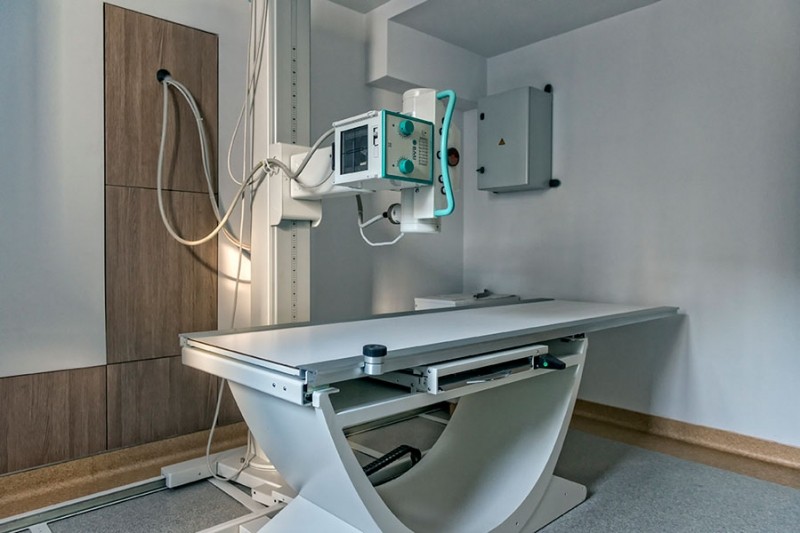
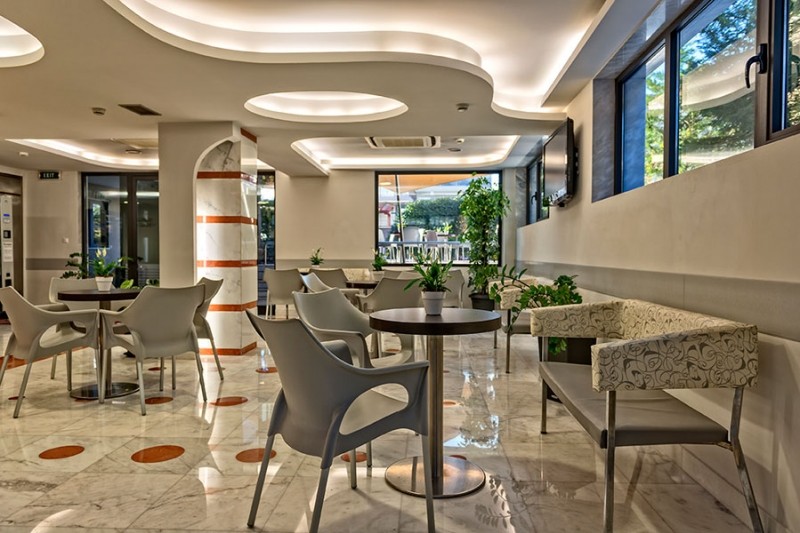
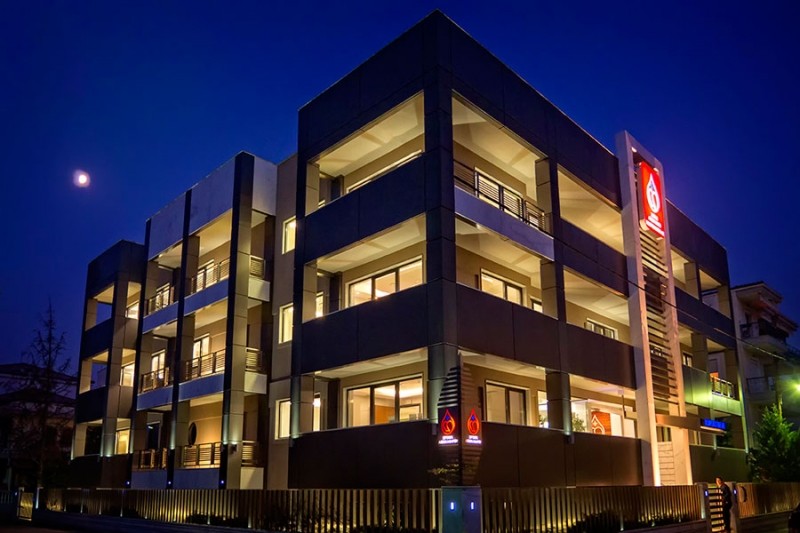
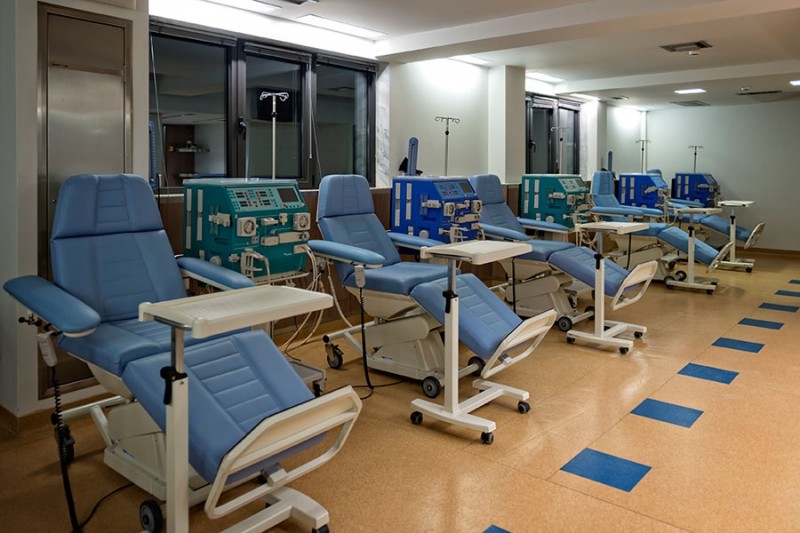
Σύγχρονα Μηχανήματα
Yψηλό Aίσθημα Eυθύνης
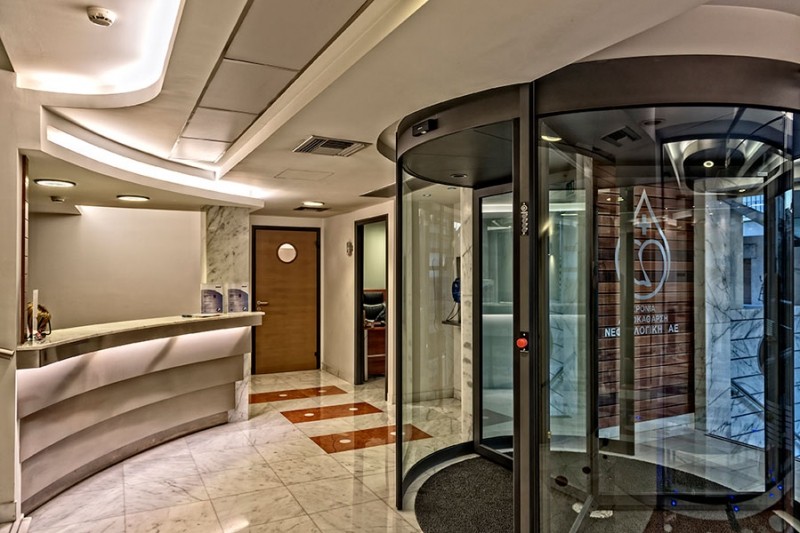
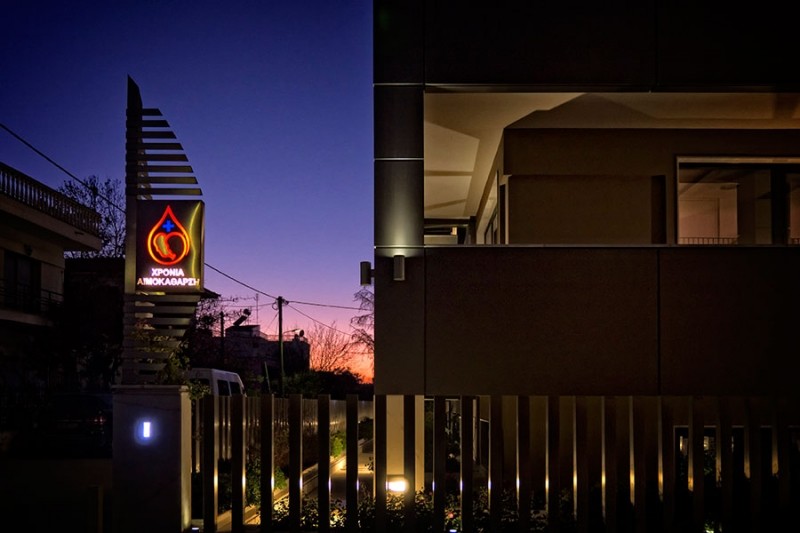
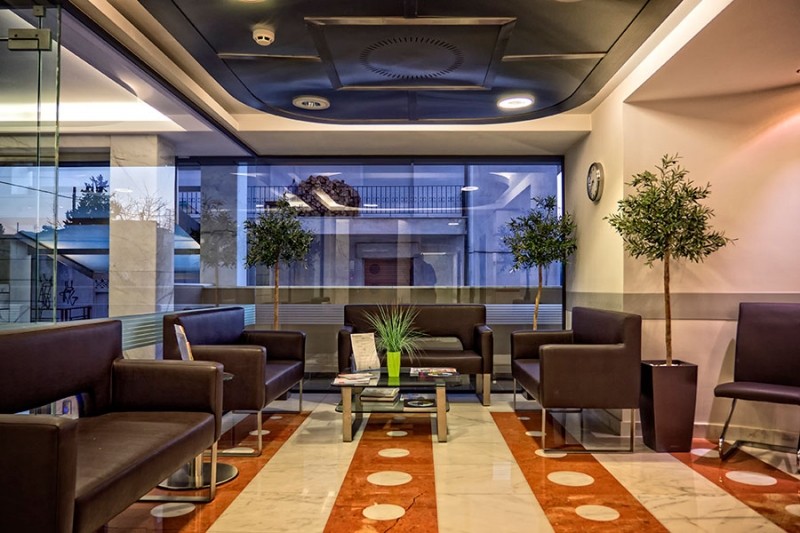
Υπερσύγχρονες Εγκαταστάσεις
| Ωράριο Λειτουργίας | 6.00 - 20.00 | |
| Σάββατο | 06:00 - 20:00 | |
| Κυριακή | κλειστά | |
| Συνεδρίες της αιμοκάθαρσης | πρωί, μεσημέρι, βράδυ |
Οι θεμελιώδεις αξίες της Μονάδας Χρόνιας Αιμοκάθαρσης "Νεφρολογική Θεσσαλονίκης" περιστρέφονται γύρω από τη φροντίδα των ασθενών μας, που είναι η κύρια εργασία των επαγγελματιών που απαρτίζουν την κλινική μας. Η ταυτότητά μας βασίζεται σε:
- Πελατοκεντρικό. Άνθρωποι βρίσκονται στο επίκεντρο όλων όσων κάνουμε στην κλινική μας.
- Προσανατολισμός προς την ποιότητα. Στόχος μας είναι να επιτύχουμε την αριστεία μέσα από την ποιότητα σε ό, τι η ομάδα μας κάνει.
- Πρωτοβουλία και τη συνεχή βελτίωση. Η κλινική μας στελεχώνεται από επαγγελματίες με πάθος για την επίτευξη και την ομαδική εργασία, δημιουργώντας έτσι συνεχώς νέες ιδέες και προτάσεις για βελτίωση.
- Δέσμευση. Η δέσμευση, ο σεβασμός, η ηθική συμπεριφορά και η ανθρώπινη μεταχείριση είναι οι βασικές αρχές του προσωπικού που εργάζεται στην Μονάδας Χρόνιας Αιμοκάθαρσης "Νεφρολογική Θεσσαλονίκης".
Το Σύστημα Διαχείρισης Ποιότητας σχεδιάστηκε και εφαρμόζεται με στόχο:
Μεγάλη ποικιλία βελονών (fistula needles) για ανώδυνη παρακέντηση.
Προσφέρουμε μια σειρά από σύγχρονα φίλτρα αιμοκάθαρσης, ώστε να ανταποκριθούν στις ειδικές απαιτήσεις των διαφόρων θεραπειών και τις ατομικές ανάγκες των ασθενών.
Εργαστήριο για επείγουσες αιματολογικές και μικροβιολογικές εξετάσεις αλλά και σύμβαση με Διαγνωστικά Κέντρα (μηνιαίος έλεγχος και ότι άλλο κριθεί αναγκαίο από τους ιατρούς).
Εκπληρώνουμε τις υποσχέσεις μας.
Προσωπικό από αφοσιωμένους επαγγελματίες σας παρέχουν άμεση ανταπόκριση και μέριμνα.
Άνετες εγκαταστάσεις
Ξεχωριστές μονάδες για τους ασθενείς με ηπατίτιδα C + & και για τους ασθενείς με ηπατίτιδα Β +.
Προηγμένες εγκαταστάσεις
Διατίθεται µία ειδικά διαμορφωμένη αίθουσα αιμοκάθαρσης VΙΡ
Υπηρεσίες Μεταφοράς
Η μονάδα διαθέτει σύγχρονο ιδιόκτητο ασθενοφόρο για έκτακτες ανάγκες και δωρεάν Parking.
Συμβεβλημένο με ΕΟΠΥΥ
Συμβάσεις με όλους τους ασφαλιστικούς οργανισμούς
Εξειδικευμένα μηχανήματα αιμοκάθαρσης
Στεγάζονται (30) τριάντα υπερσύγχρονα μηχανήματα αιμοκάθαρσης